Guiding You Through Life’s Toughest Moments with Compassion and Expertise
Our Services
-
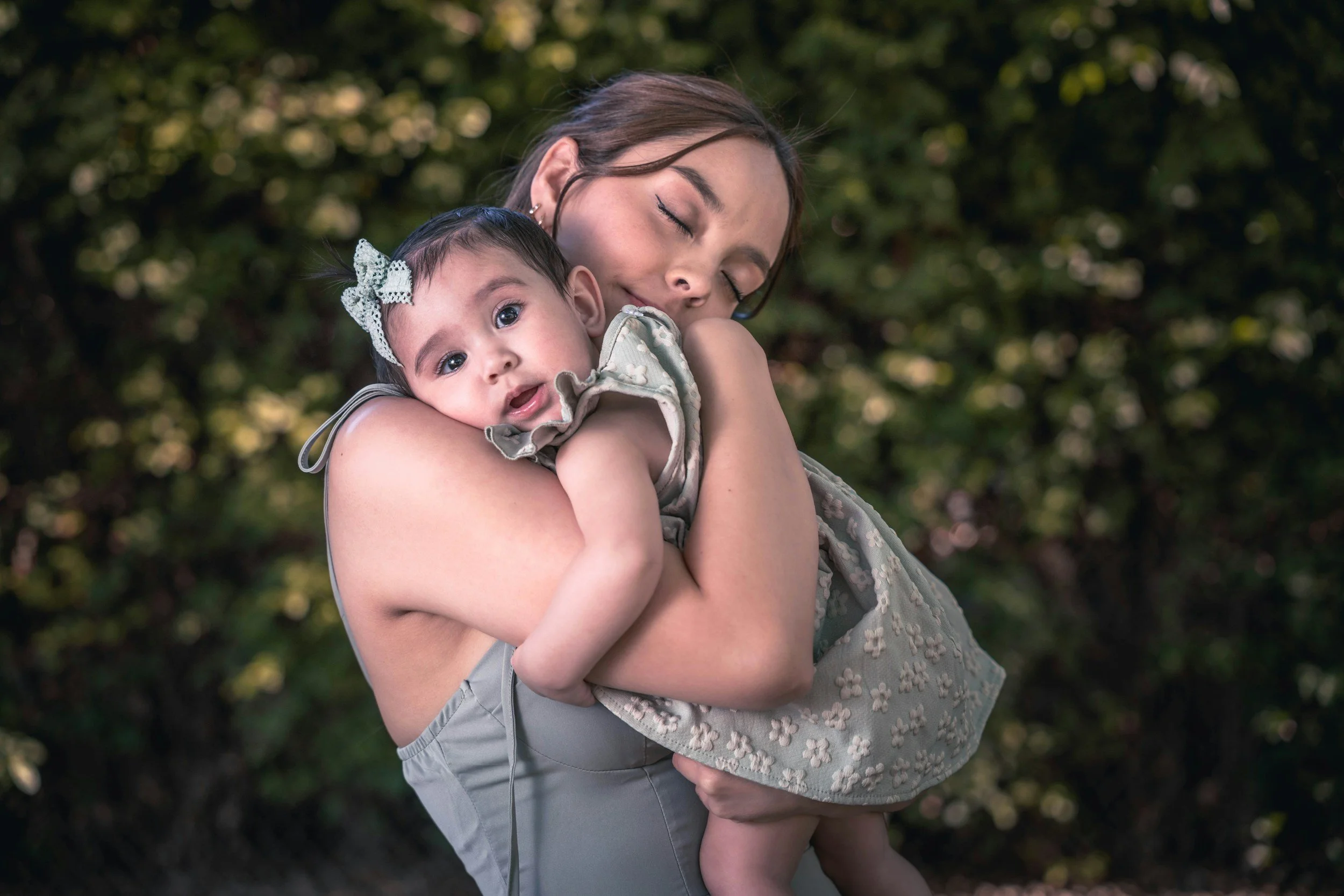
Child Custody
When parents live apart, they must create a plan outlining how they will share parenting responsibilities. This agreement, often called a parenting plan, time-share plan, or child custody and visitation agreement, must be in writing, signed by both parents, and approved by a judge.
In California, custody can be granted to either parent or shared between them. While the judge has the final say, they typically approve a plan both parents agree on. If an agreement can’t be reached, the court will decide after the parents have met with a Child Custody Recommending Counselor through the Court’s Family Court Services.
FACLC supports clients by filing Requests for Orders to establish or modify custody and visitation arrangements, ensuring families receive the legal guidance they need.
-

Domestic Violence Restraining Orders
What should we know about the services you provide? Better descriptions result in more sales. FACLC is committed to helping survivors of domestic violence obtain restraining orders, regardless of their income or ability to pay. We assist in preparing the necessary paperwork for a temporary restraining order and provide support by accompanying clients to court for their permanent restraining order hearing.
If you believe you need a restraining order, contact our office to complete the intake form, no need to wait for our Wednesday clinic.
In an emergency, reach out to your local police department for an Emergency Protective Order. If the abuser is facing criminal charges, the Criminal Court may also issue a protective order for your safety.
-

Special Immigrant Juvenile Status
Special Immigrant Juvenile Status (SIJS) provides a pathway to lawful permanent residency for youth who cannot live with their parents due to abuse, neglect, or abandonment and for whom returning to their home country is not in their best interest.
The process has two steps: First, a state court must issue custody orders through a guardianship or custody proceeding. Once those orders are in place, the youth can apply for a visa to secure their legal status in the U.S.
-

Step-Parent Adoption
FACLC provides legal assistance to clients seeking to terminate the parental rights of an absent or non-contesting parent, paving the way for a step-parent adoption. This process allows a step-parent to gain full legal parental rights, providing the child with stability, security, and the benefits of a legally recognized parent-child relationship. California law also extends these rights to domestic partners, ensuring all families have the opportunity to establish a permanent legal bond through adoption.
-

Guardianship
Guardianship is a legal process where a judge grants custody of a child or authority over a child’s property to someone other than the parent. FACLC assists clients in obtaining guardianships to ensure the safety, stability, and well-being of minors in need of care.
-

Parentage
Parentage cases apply to parents who were unmarried when their child was born. These cases can address important issues such as child support, custody, and visitation. They may also involve establishing legal parentage through DNA testing.
-

Child Support
Understanding Child Support
Child support is a court-ordered payment that one parent provides to the other to help cover the costs of raising their child. In California, the amount is determined using a state guideline calculator, ensuring fair and consistent support based on each family's unique circumstances.
How Long Does Child Support Last?
Typically, child support continues until the child turns 18 or, if still in high school full-time, until age 19. Parents can agree to extend support beyond this timeframe, and in cases where an adult child has a disability and cannot support themselves, the court may require ongoing financial assistance.
Most child support orders also include provisions for shared expenses such as childcare and uninsured medical costs, ensuring both parents contribute to their child’s well-being beyond the basic monthly payment.
When Can You Request Child Support?
You may ask a judge to issue a child support order when you:
-File for divorce, legal separation, or annulment
-Establish legal parentage
-Request a domestic violence restraining order
If circumstances change—such as a shift in income, custody arrangements, or financial needs—either parent can request a modification of the support order.
How is Child Support Calculated?
When parents cannot agree on child support, a judge determines the amount using the state guideline calculation. This formula considers multiple factors, including:
-Each parent’s income and earning potential
-Additional income sources
-The number of children involved
-How much time each parent spends with the children
-Tax filing status
-Financial responsibilities for children from other relationships
-Health insurance costs
-Mandatory union dues and retirement contributions
-Shared daycare and uninsured medical expenses
-Child support may also include additional costs, such as travel expenses for visitation and educational needs.
FACLC is here to help parents navigate the child support process and ensure their children receive the financial support they deserve.
-

Spousal Support
Understanding Spousal Support
Spousal or partner support is financial assistance that one spouse or partner may be required to pay the other during or after a divorce or legal separation. Support can be temporary, while the case is ongoing or permanent, as part of the final judgment.
Temporary Spousal Support
During divorce proceedings, a judge may order temporary spousal or partner support to help maintain financial stability. Marin County follows a specific formula to calculate the amount. FACLC assists clients by preparing the necessary Requests for Order to bring their case before the court.
Permanent Spousal Support
Once a divorce is finalized, the court may order long-term spousal or partner support based on various factors. Unlike temporary support, no set formula determines the final amount. Instead, the judge evaluates each case individually, considering:
-The length of the marriage or domestic partnership
-Each person’s financial needs and ability to pay
-The impact of childcare responsibilities on a person's ability to work
-The age and health of both individuals
-The division of debts and property
-Whether one spouse or partner supported the other’s education or career advancement
-Whether domestic violence occurred in the relationship
-How unemployment or caregiving affected one partner’s career
-The tax implications of spousal support
How FACLC Can Help
Spousal support can significantly impact financial security after a separation. FACLC provides guidance on eligibility, assists in filing court requests, and helps clients navigate the legal process to seek fair support arrangements.
-

Divorce
Divorce
Divorce, also known as the dissolution of marriage or domestic partnership, is the legal process that ends your marriage or partnership. Through divorce, you can request court orders for child custody, visitation, child and spousal support, division of property, and protection from domestic violence. Once your divorce is finalized, you are legally single and free to remarry.
Legal Separation
Legal separation allows couples to live apart and resolve financial, property, and parenting matters without ending their marriage or domestic partnership. Unlike divorce, legal separation does not restore single status, meaning you cannot remarry. Some couples choose this option for religious or personal reasons while still securing important legal protections.
-

Other Services
Name and Gender Change
If you need to legally change your name, gender, or both, FACLC can assist with the necessary paperwork to make the process as smooth as possible.
In California, you do not need a court order to update your gender on a driver's license, Social Security card, or U.S. passport. You also don’t need a court order to update a California birth certificate to reflect a gender change. However, if you were born outside of California, a court-ordered gender change may be required to amend your birth record.
A court order is required for a legal name change. If you need to change both your name and gender, FACLC can help guide you through the legal process to ensure all necessary documents are properly filed.
Emancipation: Becoming Legally Independent
Emancipation allows a minor to gain legal independence before turning 18. FACLC offers consultations for teens interested in emancipation and assists with preparing the required court documents.
Once emancipated, a minor’s parents no longer have custody or control over them. This means they gain certain rights, such as the ability to:
-Make their own medical decisions
-Apply for a work permit
-Enroll in school or college
-Choose where to live
However, emancipation also comes with responsibilities. An emancipated minor:
-Gives up the right to parental financial support
-Must continue attending school
-Cannot marry without parental permission
-Remains subject to juvenile court laws
FACLC is here to help minors understand their rights and responsibilities when considering emancipation.